How Does Untreated Mold Affect Your Home?
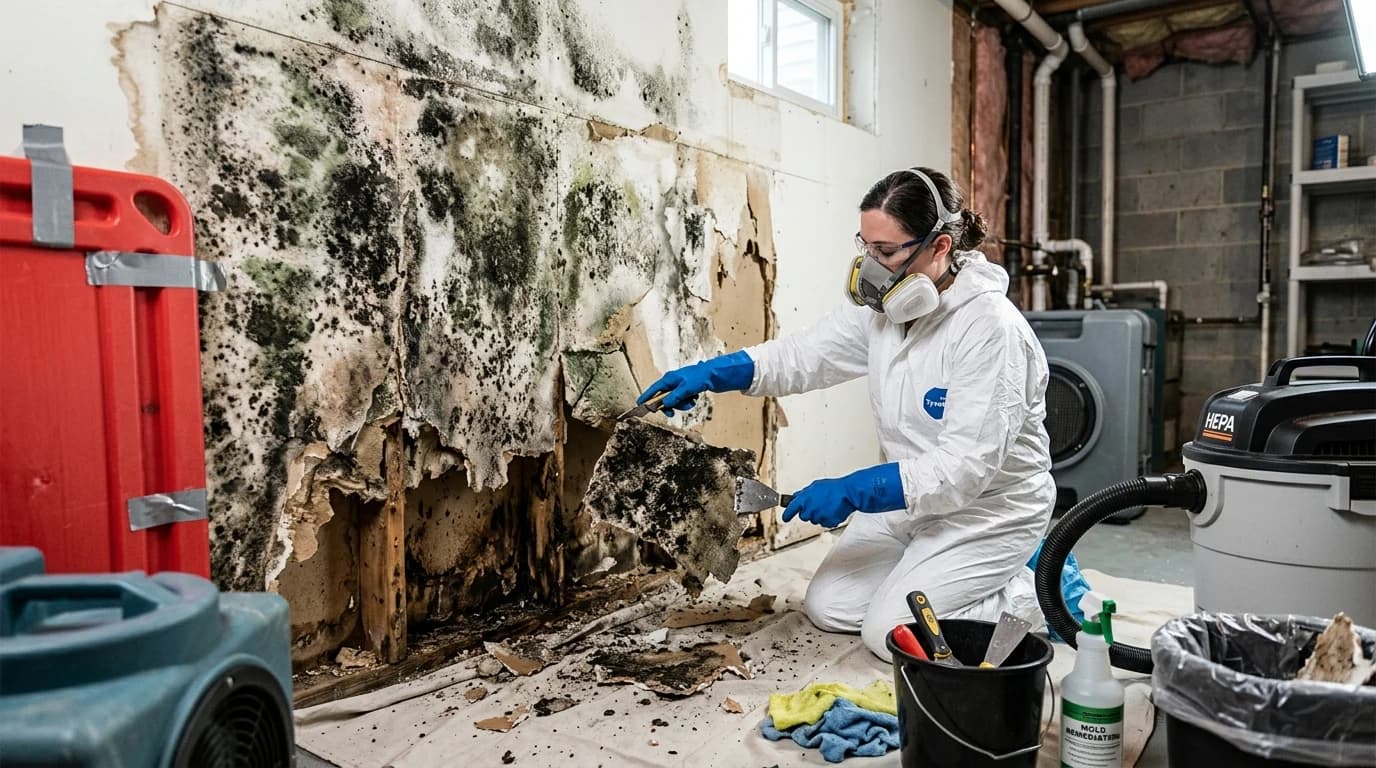
Untreated mold can cause significant damage to your home's structure. It thrives in damp environments, often lurking in hidden places like behind walls or under floors. Mold feeds on organic materials such as wood and drywall, which can weaken these materials over time. As it spreads, it can lead to discoloration and warping of surfaces, and in severe cases, it may cause wood rot. This can result in the need for extensive repairs or replacements of affected areas, which can be costly.
Moreover, mold can infiltrate your home's HVAC system, spreading spores throughout the house every time the system is turned on. This not only exacerbates the problem but can also increase the difficulty and cost of remediation. Regular maintenance and inspections are essential to identify and address mold issues early. Homeowners should pay attention to signs of moisture, such as water stains or musty odors, as these can indicate hidden mold growth. By taking proactive steps, you can preserve your home's structural integrity and prevent the escalation of mold-related damage.
Moreover, mold can infiltrate your home's HVAC system, spreading spores throughout the house every time the system is turned on. This not only exacerbates the problem but can also increase the difficulty and cost of remediation. Regular maintenance and inspections are essential to identify and address mold issues early. Homeowners should pay attention to signs of moisture, such as water stains or musty odors, as these can indicate hidden mold growth. By taking proactive steps, you can preserve your home's structural integrity and prevent the escalation of mold-related damage.
What Are the Health Risks Associated with Mold?
Exposure to mold can lead to a variety of health issues. Mold spores, when inhaled, can cause respiratory problems such as coughing, sneezing, and shortness of breath. These symptoms can be particularly severe for individuals with pre-existing conditions like asthma or allergies. In some cases, exposure can also lead to skin irritation and eye redness. For people with weakened immune systems, the risks are even higher, as mold exposure can lead to more serious infections.
Long-term exposure to mold can result in chronic health issues, including persistent sinus infections and worsening asthma symptoms. Some types of mold, such as black mold, produce mycotoxins that can have severe health effects, potentially leading to neurological problems and immune system suppression in extreme cases. It's crucial to address mold issues promptly to protect the well-being of everyone in your household. If mold is suspected, it's advisable to have a professional assessment and remediation plan. For comprehensive mold removal, consider reaching out to Wyckoff Mold Removal via our contact page.
Long-term exposure to mold can result in chronic health issues, including persistent sinus infections and worsening asthma symptoms. Some types of mold, such as black mold, produce mycotoxins that can have severe health effects, potentially leading to neurological problems and immune system suppression in extreme cases. It's crucial to address mold issues promptly to protect the well-being of everyone in your household. If mold is suspected, it's advisable to have a professional assessment and remediation plan. For comprehensive mold removal, consider reaching out to Wyckoff Mold Removal via our contact page.
How Can You Prevent Mold from Becoming a Problem?
Preventing mold involves controlling moisture levels in your home. Start by ensuring your home is well-ventilated, especially in areas prone to moisture such as bathrooms, kitchens, and basements. Installing exhaust fans and using dehumidifiers can help maintain optimal humidity levels, ideally between 30% and 50%. Regularly check for and repair leaks in plumbing and roofs, as even small leaks can create ideal conditions for mold growth.
In addition, it's important to clean and maintain gutters to prevent water buildup and ensure proper drainage away from the foundation of your home. Inspect your home regularly for signs of water damage, such as stains or peeling paint. Address any water issues promptly to prevent mold from taking hold.
Another effective strategy is to use mold-resistant building materials in areas susceptible to moisture, such as mold-resistant drywall or paint. By taking these preventive measures, you can significantly reduce the risk of mold developing in your home, safeguarding both your property and health. Regular cleaning and maintenance, combined with vigilant monitoring for signs of moisture, are key to preventing mold problems before they start.
In addition, it's important to clean and maintain gutters to prevent water buildup and ensure proper drainage away from the foundation of your home. Inspect your home regularly for signs of water damage, such as stains or peeling paint. Address any water issues promptly to prevent mold from taking hold.
Another effective strategy is to use mold-resistant building materials in areas susceptible to moisture, such as mold-resistant drywall or paint. By taking these preventive measures, you can significantly reduce the risk of mold developing in your home, safeguarding both your property and health. Regular cleaning and maintenance, combined with vigilant monitoring for signs of moisture, are key to preventing mold problems before they start.
Why Professional Mold Remediation is Essential
When dealing with mold, professional remediation is often the most effective solution. Mold can be deceptively difficult to eliminate, especially if it has spread to hidden areas like behind walls or under flooring. Professionals have the training and equipment necessary to thoroughly assess the extent of mold growth and effectively remove it. They use specialized tools to detect moisture levels and identify all areas affected by mold, ensuring no spots are missed.
Professionals also employ advanced techniques and protective measures to safely remove mold without spreading spores further. This is crucial, as improper handling can exacerbate the problem. They use industrial-grade cleaners and HEPA vacuums to clean and filter the air, reducing the risk of recurrence. Moreover, professionals can provide valuable advice on preventing future mold growth, such as improving ventilation or addressing moisture issues.
In some cases, mold remediation may be covered by homeowner's insurance, especially if it results from a covered peril. It's worth checking your policy to see what options are available. Investing in professional mold remediation not only ensures a thorough removal but also protects your health and property in the long run. If you're in Wyckoff or nearby areas, consider consulting local experts for an assessment.
Professionals also employ advanced techniques and protective measures to safely remove mold without spreading spores further. This is crucial, as improper handling can exacerbate the problem. They use industrial-grade cleaners and HEPA vacuums to clean and filter the air, reducing the risk of recurrence. Moreover, professionals can provide valuable advice on preventing future mold growth, such as improving ventilation or addressing moisture issues.
In some cases, mold remediation may be covered by homeowner's insurance, especially if it results from a covered peril. It's worth checking your policy to see what options are available. Investing in professional mold remediation not only ensures a thorough removal but also protects your health and property in the long run. If you're in Wyckoff or nearby areas, consider consulting local experts for an assessment.
Understanding the Costs of Ignoring Mold
Ignoring mold in your home can lead to significant financial costs over time. Initially, mold might seem like a minor inconvenience, but as it spreads, it can cause extensive damage to your property's structure. This damage can lead to costly repairs, such as replacing drywall, flooring, or even parts of the foundation if the mold has been left unchecked for too long.
Beyond structural repairs, ignoring mold can also lead to increased healthcare costs. Prolonged exposure to mold spores can cause chronic health issues, necessitating frequent doctor visits, medication, or even hospitalization in severe cases. These health-related expenses can add up quickly, especially for individuals with pre-existing respiratory conditions.
Additionally, mold can decrease the value of your property. If you plan to sell your home, a mold problem can deter potential buyers or lead to decreased offers, as buyers often factor in the cost of remediation. Addressing mold promptly not only prevents these financial burdens but also ensures a healthier living environment. Taking early action can save you money and stress, making it a wise investment for any homeowner concerned about the long-term implications of untreated mold.
Beyond structural repairs, ignoring mold can also lead to increased healthcare costs. Prolonged exposure to mold spores can cause chronic health issues, necessitating frequent doctor visits, medication, or even hospitalization in severe cases. These health-related expenses can add up quickly, especially for individuals with pre-existing respiratory conditions.
Additionally, mold can decrease the value of your property. If you plan to sell your home, a mold problem can deter potential buyers or lead to decreased offers, as buyers often factor in the cost of remediation. Addressing mold promptly not only prevents these financial burdens but also ensures a healthier living environment. Taking early action can save you money and stress, making it a wise investment for any homeowner concerned about the long-term implications of untreated mold.
Signs That Mold Might Be Lurking in Your Home
Detecting mold early can save you from extensive damage and health issues. One of the first signs is a persistent musty odor, often described as earthy or damp. This smell can be particularly noticeable in basements, bathrooms, or areas with poor ventilation. If you notice this odor, it's essential to investigate further, as it could indicate hidden mold growth.
Visual signs of mold include discoloration or spotting on walls, ceilings, or floors. Mold can appear in various colors, including black, green, white, or even orange. Pay attention to areas where water damage might have occurred, such as around windows, under sinks, or near leaky roofs. Peeling or bubbling paint and wallpaper can also be indicators of moisture problems, which often lead to mold.
Another sign to watch for is an increase in allergy-like symptoms among household members. If you or your family experience unexplained respiratory issues, itchy eyes, or skin rashes, it might be time to consider a mold inspection. These symptoms often worsen when you're at home and improve when you leave, suggesting that mold might be the culprit.
By being vigilant and recognizing these signs, you can take proactive steps to address mold issues before they become severe. Regular inspections and maintenance are key in preventing mold from becoming a significant problem in your home.
Visual signs of mold include discoloration or spotting on walls, ceilings, or floors. Mold can appear in various colors, including black, green, white, or even orange. Pay attention to areas where water damage might have occurred, such as around windows, under sinks, or near leaky roofs. Peeling or bubbling paint and wallpaper can also be indicators of moisture problems, which often lead to mold.
Another sign to watch for is an increase in allergy-like symptoms among household members. If you or your family experience unexplained respiratory issues, itchy eyes, or skin rashes, it might be time to consider a mold inspection. These symptoms often worsen when you're at home and improve when you leave, suggesting that mold might be the culprit.
By being vigilant and recognizing these signs, you can take proactive steps to address mold issues before they become severe. Regular inspections and maintenance are key in preventing mold from becoming a significant problem in your home.
Steps to Take When You Discover Mold
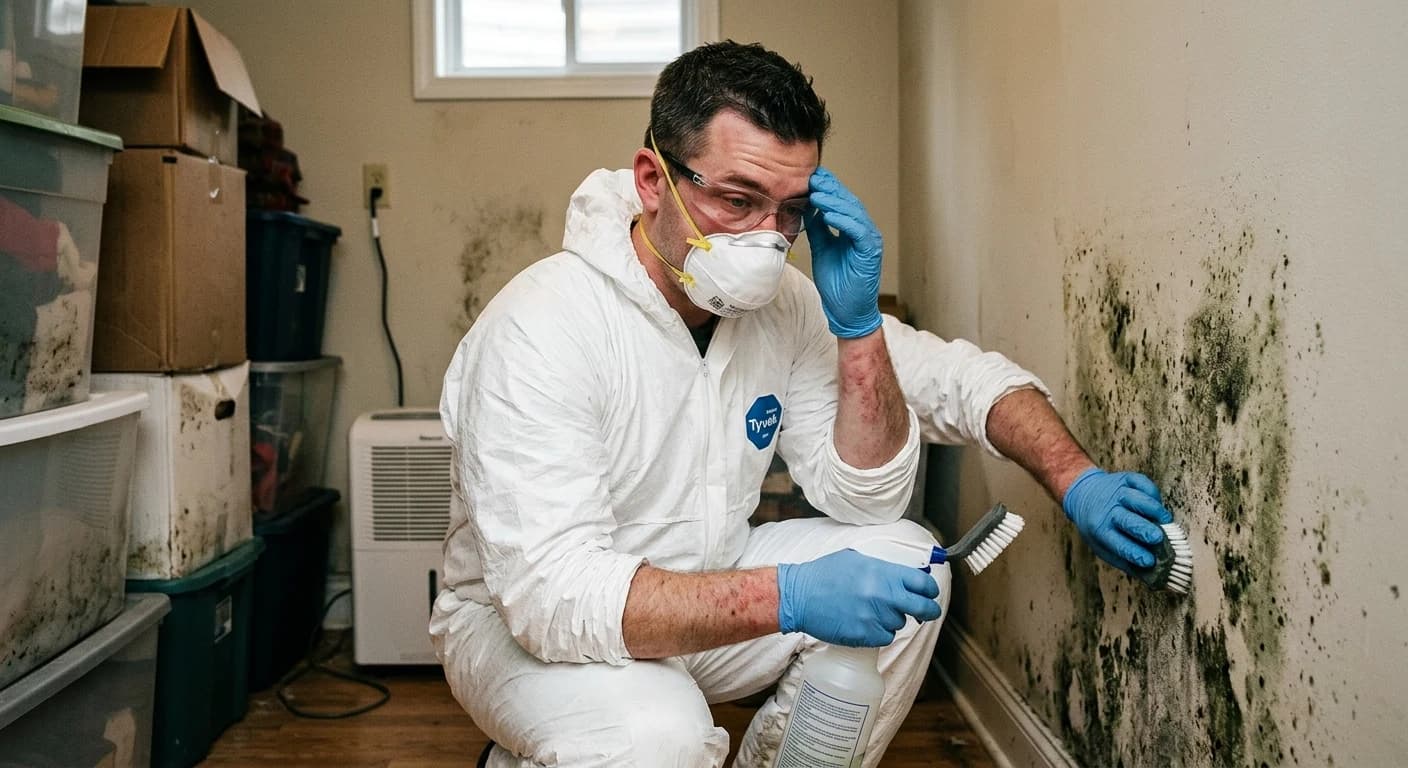
Discovering mold in your home can be alarming, but taking swift action is crucial. The first step is to assess the extent of the problem. Determine whether the mold is confined to a small area or if it has spread extensively. For small, isolated patches of mold, you might be able to handle the cleanup yourself using protective gear and mold-specific cleaning products.
However, if the mold covers a large area, or if it's in a location that's difficult to access, it's advisable to contact a professional mold remediation service. Professionals have the expertise and equipment to safely and effectively remove mold, minimizing the risk of further contamination. In Wyckoff, for example, local experts can provide a thorough assessment and remediation plan tailored to your situation.
While waiting for professional help, take steps to contain the mold. Avoid disturbing the affected area to prevent spores from spreading. Seal off the room by closing doors and windows, and turn off any HVAC systems to limit airflow. If possible, use a dehumidifier to reduce moisture levels, as mold thrives in humid conditions.
Document the damage with photos and notes, as this could be useful for insurance purposes. Check your homeowner's insurance policy to see if mold remediation is covered. By following these steps, you can manage the situation effectively and ensure a safe and mold-free environment for your family.
However, if the mold covers a large area, or if it's in a location that's difficult to access, it's advisable to contact a professional mold remediation service. Professionals have the expertise and equipment to safely and effectively remove mold, minimizing the risk of further contamination. In Wyckoff, for example, local experts can provide a thorough assessment and remediation plan tailored to your situation.
While waiting for professional help, take steps to contain the mold. Avoid disturbing the affected area to prevent spores from spreading. Seal off the room by closing doors and windows, and turn off any HVAC systems to limit airflow. If possible, use a dehumidifier to reduce moisture levels, as mold thrives in humid conditions.
Document the damage with photos and notes, as this could be useful for insurance purposes. Check your homeowner's insurance policy to see if mold remediation is covered. By following these steps, you can manage the situation effectively and ensure a safe and mold-free environment for your family.