What Are the Common Early Signs of Mold?
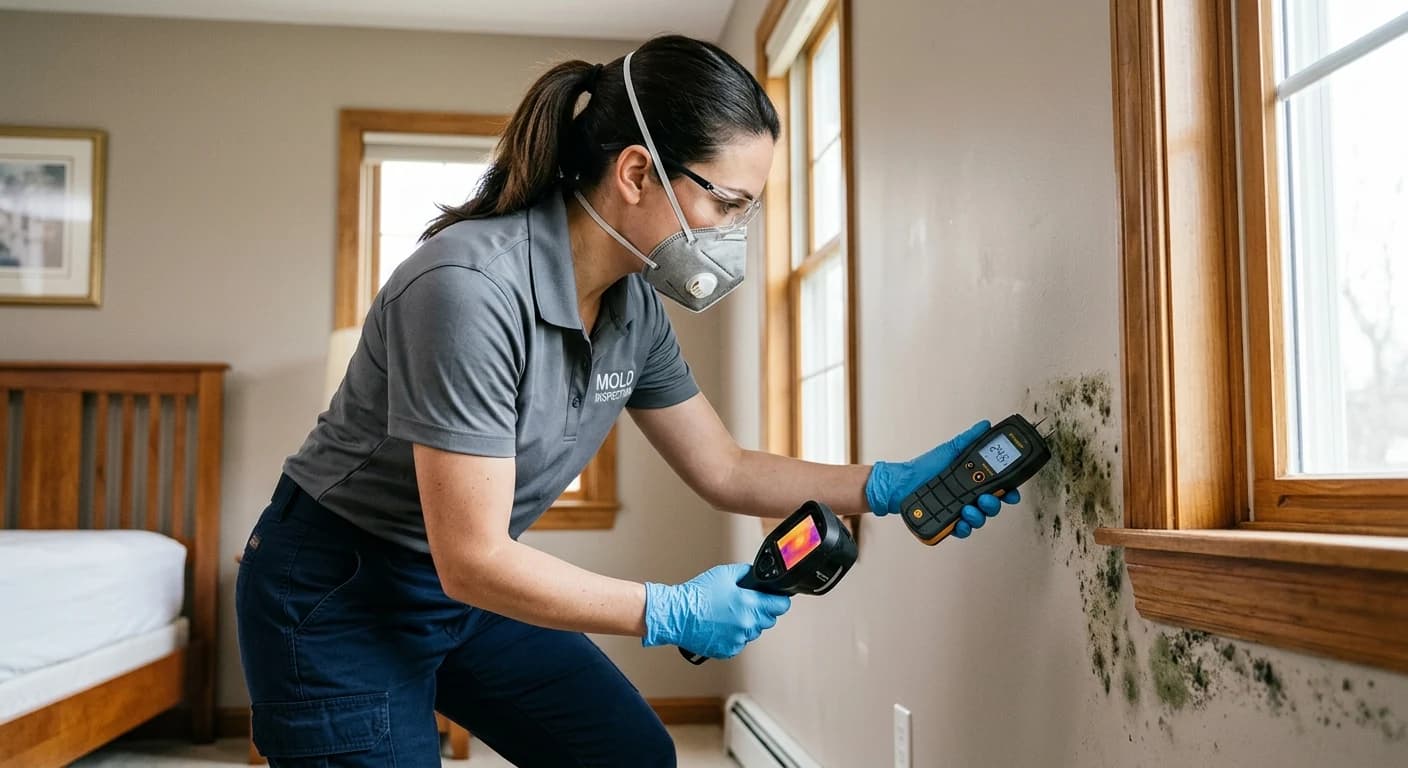
One of the most common early signs of mold is a musty odor that lingers in certain areas of your home. This smell is often described as earthy or damp and can be more pronounced in enclosed spaces like basements or attics. Water stains, discoloration on walls or ceilings, and peeling paint or wallpaper are visual indicators that mold may be present. These signs occur because mold thrives in damp environments, often resulting from leaks or condensation. If you notice any of these signs, it's essential to take action quickly to prevent further spread. Consider using a moisture meter to check for high levels of dampness, which can promote mold growth. Moisture meters are available at most home improvement stores and can help you identify problem areas before mold becomes visible. Regularly inspecting areas prone to moisture, such as basements, bathrooms, and around windows, can help you catch mold before it becomes a bigger problem. Look for any signs of water damage or leaks, and ensure that your home's ventilation is adequate to reduce humidity levels.
Why Is Early Detection Important?
Early detection of mold can save you time, money, and the hassle of extensive repairs. Mold can spread rapidly if not addressed, compromising the structural integrity of your home and potentially leading to health issues such as allergies, respiratory problems, and skin irritation. By detecting mold early, you can prevent these outcomes and ensure a safer living environment for you and your family. It's also beneficial to have professionals regularly inspect your home. They can identify hidden mold that might not be visible to the naked eye, using specialized tools and techniques. Wyckoff Mold Removal offers comprehensive mold inspection services that can help identify mold in its early stages. Professional inspections include air quality testing and surface sampling, which provide a detailed analysis of mold presence and concentrations. Early detection not only preserves your home's value but also minimizes the risk of health problems associated with prolonged mold exposure.
When Should You Seek Professional Help?
If you discover mold but are unsure of its extent, it's wise to seek professional help. A professional mold removal service can accurately assess the situation and provide effective remediation solutions. Professionals have the expertise to identify the type of mold and its potential health risks, as well as the equipment to safely remove it without spreading spores throughout your home. In Wyckoff, professional services can ensure that mold is removed safely and thoroughly, helping to prevent future occurrences. They can also advise on preventive measures to avoid mold regrowth, such as improving ventilation, repairing leaks, and using dehumidifiers in high-moisture areas. Don't wait until the problem worsens; contact experts who can handle it efficiently. Professional intervention is particularly critical when mold covers a large area, when it's located in hard-to-reach places, or when it's caused by contaminated water, such as sewage. Experts adhere to safety protocols to protect both your home and health during the removal process.
How to Prevent Mold Growth in Your Home
Prevention is key when it comes to mold growth, and there are several practical steps you can take to protect your home. First, control humidity levels by using dehumidifiers, especially in areas prone to moisture like basements and bathrooms. Aim to keep indoor humidity below 60%, as mold thrives in damp environments. Regularly check for leaks in your plumbing system, roof, and around windows. Promptly repair any leaks to prevent moisture accumulation. Ensure that your home is well-ventilated; exhaust fans in bathrooms and kitchens can help expel excess moisture. Additionally, consider using mold-resistant products when renovating, such as mold-resistant drywall or paint. These products can provide an extra layer of protection against mold growth. It's also beneficial to clean and dry any areas affected by water damage within 24 to 48 hours to prevent mold from taking hold. Finally, routinely inspect your home for any signs of water damage or mold, so you can address issues before they escalate. By implementing these preventive measures, you can significantly reduce the risk of mold growth and maintain a healthy living environment.
DIY Mold Removal Tips for Small Areas
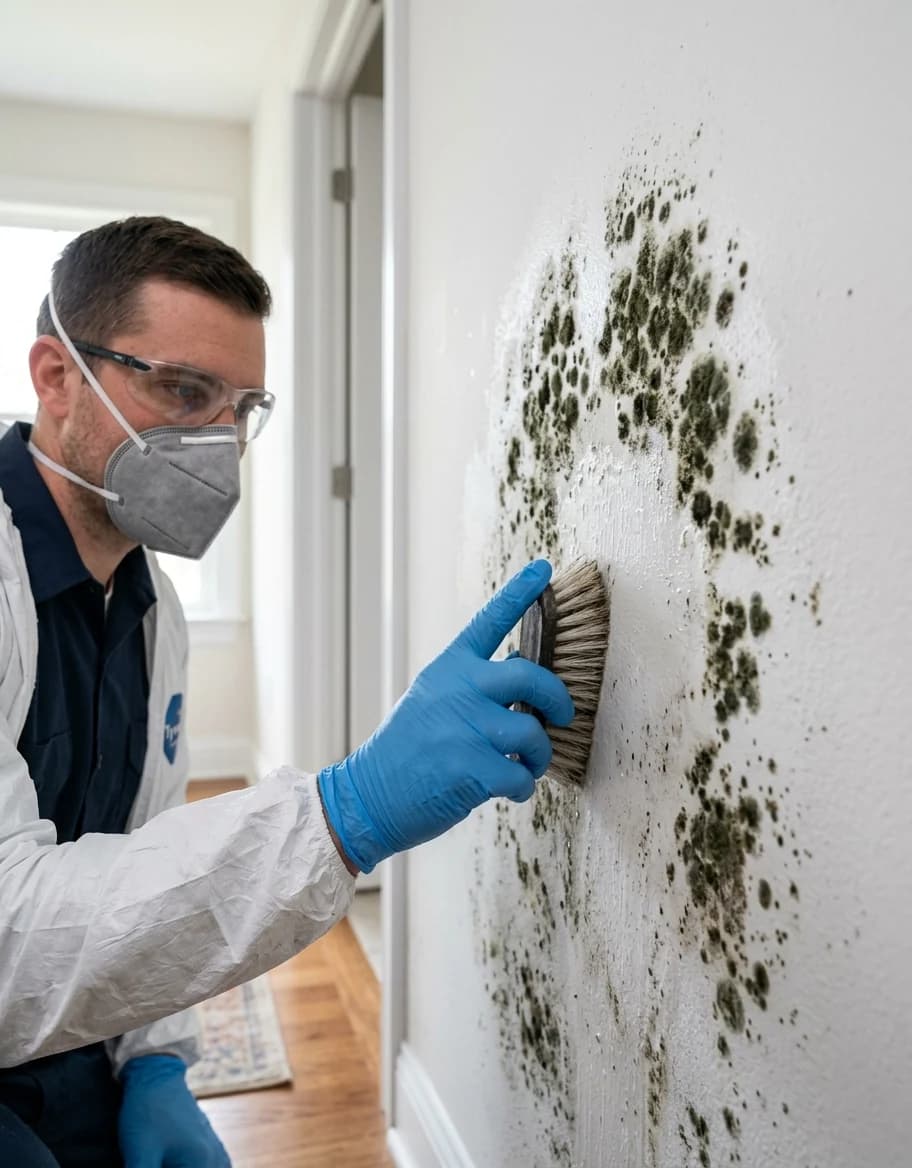
For small areas of mold, a DIY approach can be effective if done carefully. Start by wearing protective gear, including gloves, goggles, and a mask, to avoid inhaling mold spores. Ensure the area is well-ventilated by opening windows or using fans to disperse spores. Use a mixture of water and detergent to scrub the mold off hard surfaces. For porous materials like carpets or ceiling tiles, replacement might be necessary if they are heavily infested. After cleaning, dry the area thoroughly to prevent mold from returning. You can also use a mold-specific cleaner or a solution of one cup of bleach per gallon of water for more stubborn mold. However, avoid mixing bleach with other cleaning products, as this can produce dangerous fumes. Seal off the work area with plastic sheeting to prevent spores from spreading to other parts of your home. Remember, if the mold covers an area larger than 10 square feet, it's best to call in professionals. By following these steps, you can safely and effectively manage minor mold issues in your home.
Understanding the Causes of Mold Growth
Mold growth is often a result of excess moisture in your home, but understanding the specific causes can help you prevent it effectively. Common sources of moisture include leaks in plumbing, roofs, and windows, as well as condensation from poor ventilation. In areas like basements and bathrooms, where humidity levels are naturally higher, mold can thrive if not properly managed. It's crucial to address any water intrusion promptly, as even small amounts of moisture can lead to significant mold problems over time. Another factor that contributes to mold growth is the presence of organic materials such as wood, paper, or fabric, which provide a food source for mold. Ensuring these materials are kept dry and well-maintained can reduce the risk of mold. Additionally, temperature plays a role; mold tends to grow faster in warmer conditions. By keeping your home cool and dry, you can create an environment that is less conducive to mold development. Regular maintenance checks, especially in areas prone to moisture, can help you identify potential issues before they escalate. By understanding these causes, you can take targeted actions to protect your home from mold.
Effective Mold Remediation Strategies
When dealing with mold, choosing the right remediation strategy is essential to ensure complete removal and prevent recurrence. Start by identifying the source of moisture and addressing it, as eliminating the water source is crucial to stopping mold growth. Depending on the extent of the mold, you may need to remove and replace affected materials such as drywall, insulation, or carpeting. For smaller, non-porous surfaces, thorough cleaning with a mold-specific cleaner can often suffice. It's important to use appropriate protective gear during the remediation process to avoid exposure to mold spores. Containment is another key strategy; sealing off the affected area with plastic sheeting can prevent spores from spreading to other parts of your home. After cleaning, use dehumidifiers and fans to dry the area completely, as residual moisture can lead to mold returning. In some cases, applying mold-inhibiting solutions to cleaned surfaces can provide an extra layer of protection. Regular follow-up inspections can ensure that the mold has been effectively eliminated and that conditions remain unfavorable for its return. By implementing these strategies, you can manage mold issues effectively and maintain a healthy living environment.